
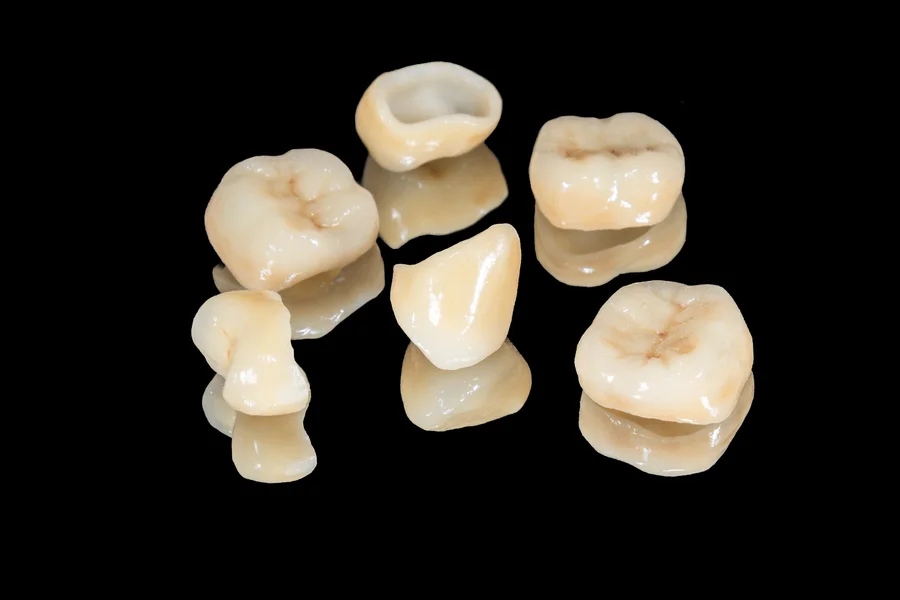
A dentist with a thousand patients can expect to see roughly 90 fractured teeth in a given year, according to research from the National Dental Practice-Based Research Network. That number is a big part of why the choice between a filling and a crown is not really a judgment call. It comes down to how much healthy tooth structure is left and how much force that tooth has to withstand every time someone chews.
Understanding the reasoning behind dental crowns in Charlotte makes the decision feel a lot less arbitrary the next time a dentist recommends one over the other.
Why a Filling Isn’t Always Enough
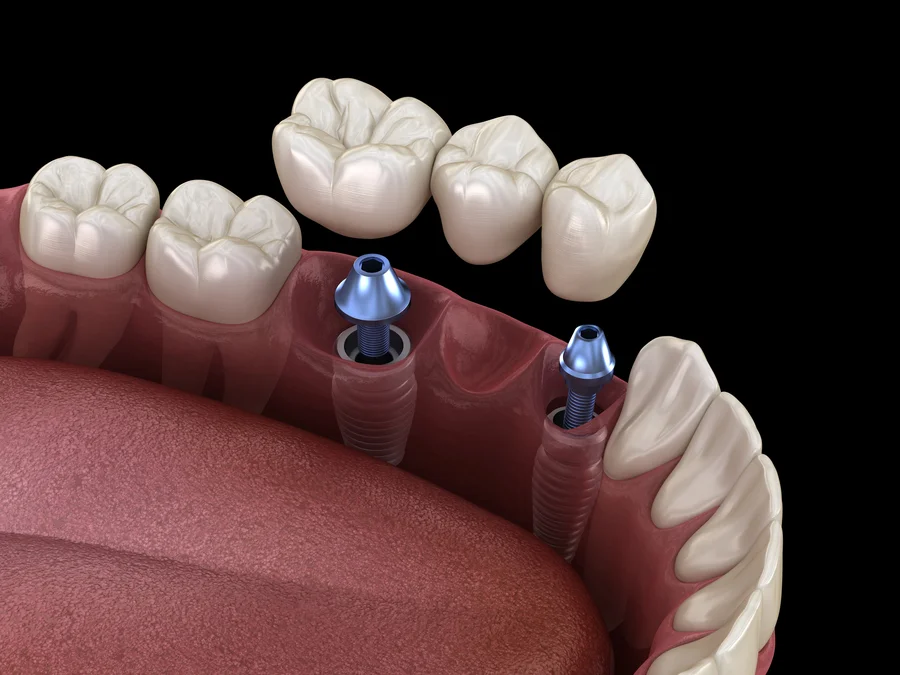
A filling works by replacing the decayed or damaged portion of a tooth with a durable material, but it only restores shape, not necessarily strength. Once decay or an old filling occupies a large portion of a tooth’s structure, the remaining walls become thinner and more prone to cracking under normal biting pressure.
A systematic review of endodontically treated teeth found that molars with less than 30% of their original coronal structure remaining were roughly three times more likely to eventually be extracted compared to teeth that retained more of their natural structure. A crown solves this by covering the entire tooth from the outside, distributing chewing force across a durable cap instead of relying on thin, weakened walls to hold up on their own.
The Role of Location and Bite Force
Where a tooth sits in the mouth changes the math, and it is one of the first things a dentist considers before recommending dental crowns in Charlotte over a simple filling. Back teeth, particularly molars, absorb far more force during chewing than front teeth do, which is why a filling that would hold up fine on an incisor might fail within a year or two on a molar carrying the same size cavity.
The same research that tracked coronal fractures found that a detectable crack line in a tooth increases the odds of a full fracture by roughly 75-fold, which is a strong argument for a protective crown before the crack has a chance to spread.
A dentist is more likely to recommend a crown instead of a filling when:
- Decay or an old filling covers more than half of the tooth’s visible surface
- A cusp is cracked, undermined, or already showing a visible fracture line
- The tooth has had root canal treatment and needs long-term protection
- The tooth is a molar or premolar carrying heavy daily chewing force
- A filling has already failed once, and the tooth needs a more durable solution
Root Canals Change the Calculation
A tooth that has had root canal treatment is a special case. Once the nerve and blood supply are removed, the dentin inside the tooth gradually loses the moisture that once kept it flexible, making it more brittle over time. A filling alone in a root canal-treated molar is generally considered a short-term measure rather than a lasting solution, which is why dental crowns in Charlotte are so often recommended as the final step after root canal treatment rather than an optional upgrade.
How This Gets Evaluated During a Visit
At Ed Hull, DDS Family & Cosmetic Dentistry, the decision starts with a close look at how much of the tooth’s original structure is intact, whether any cusps are compromised, and what kind of forces that specific tooth handles daily.
Fillings and crowns are placed with tooth-colored composite that matches the surrounding teeth, while crowns are custom-made from durable porcelain designed to blend in and withstand regular use. Neither option is treated as the automatic default; the goal is to match the restoration to what the tooth actually needs.
Ask About Dental Crowns in Charlotte at Your Next Visit
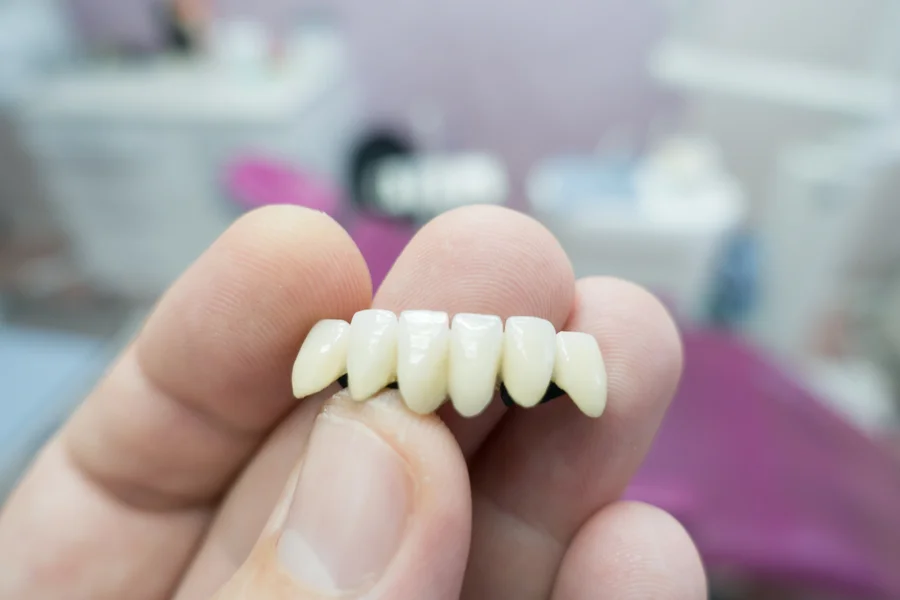
Whether a tooth needs a simple filling or the added protection of a crown usually comes down to details that are easiest to evaluate in person. Ed Hull, DDS, Family & Cosmetic Dentistry offers both fillings and dental crowns in Charlotte, with an honest recommendation based on what will actually hold up over time.
Contact us to schedule an exam and find out which option is best for your specific tooth.