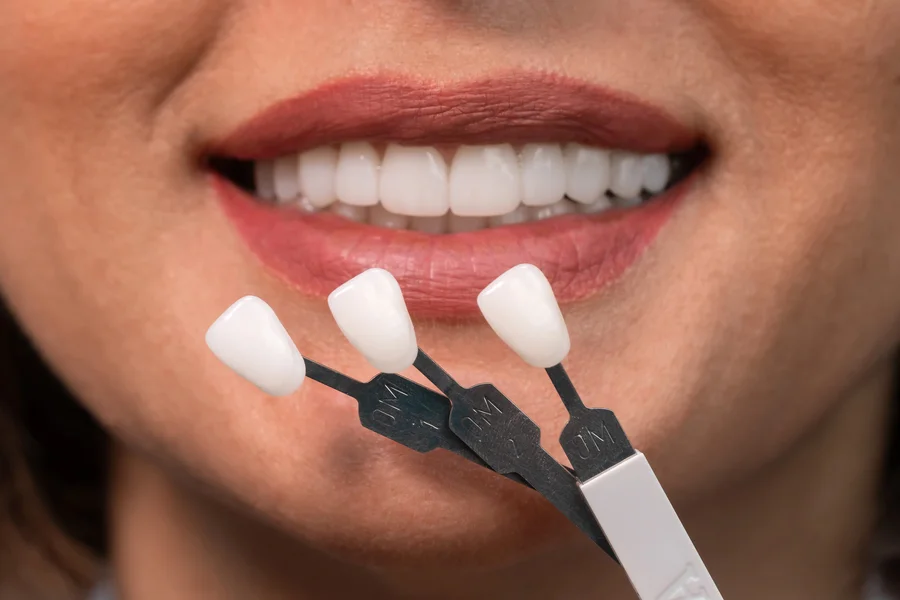
Chips, gaps, and discoloration rarely show up for the same reason. Yet a single cosmetic treatment can often solve all three by bonding a thin shell to the front of a tooth. Understanding why Charlotte patients choose veneers to address such different problems makes it easier to know whether they are actually the right fit for you, rather than assuming every cosmetic concern needs its own separate procedure.
Chips and Cracks From Everyday Life
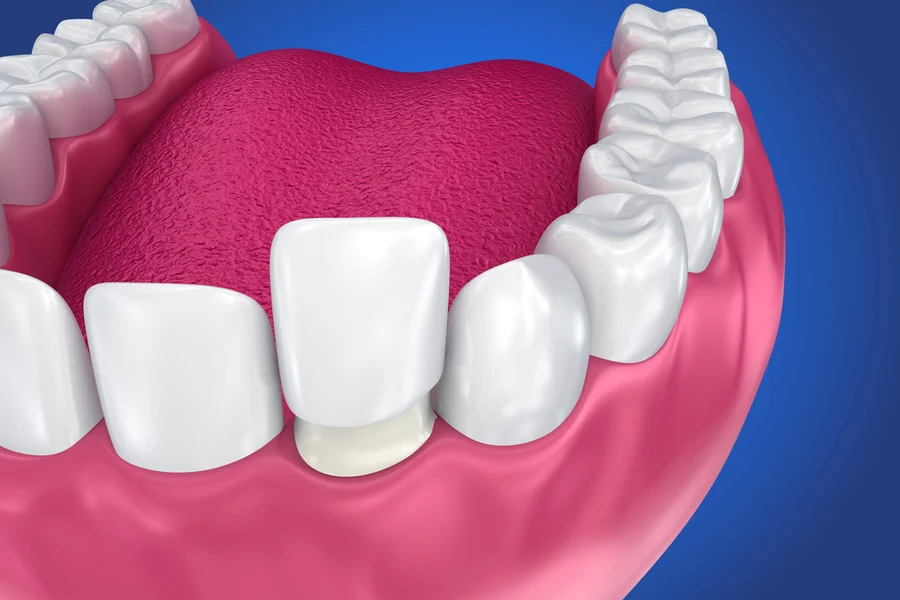
A chipped or cracked front tooth usually comes from something sudden: biting into something harder than expected, a fall, or a minor sports injury. When the damage is cosmetic rather than structural, meaning the tooth itself is still healthy underneath, a veneer can cover the chipped edge and restore a natural shape without the more extensive preparation a full crown would require. That distinction matters quite a bit in practice.
A tooth with deeper structural damage, a crack that runs below the surface, or significant decay still needs a crown rather than a veneer, which is why an exam always comes before deciding which option actually fits the tooth in question.
Gaps That Orthodontics Would Take Years to Close
Gaps between teeth are a different problem entirely, often rooted in genetics rather than injury. Closing a small gap with braces or clear aligners can take months of gradual movement, which is part of why veneers tend to appeal to people who want a faster path to a more even smile. Veneers, by comparison, can visually close that same gap in as little as two visits, since the shell itself is shaped to make the teeth look evenly spaced without physically moving them.
Dr. Hull walks patients through this timeline difference during a consultation, since it often changes which option they prefer once they understand it.
Discoloration That Whitening Can’t Touch
Discoloration is the one most people assume whitening will fix, and sometimes it does. But not every stain responds the same way. The American Dental Association notes that veneers can improve the appearance of teeth that are stained, chipped, or misshapen, making them a useful option, especially when whitening treatments do not produce the desired result.
Stains caused by certain medications taken during childhood, excess fluoride exposure, or the natural darkening that comes with age tend to sit deeper in the tooth than surface stains from coffee or wine. They often resist bleaching, no matter how many rounds of whitening are attempted. Veneers cover that discoloration directly instead of trying to lift it from within.
Signs Worth a Consultation
A few signs suggest the veneers Charlotte patients ask about might be worth discussing at a consultation.
- A chipped or cracked front tooth that is cosmetic rather than structural
- A small gap between teeth that bothers you more than it bothers anyone else
- Discoloration that has not improved with professional or at-home whitening
- Teeth that are slightly uneven in shape or size compared to their neighbors
- A desire to address more than one of these concerns in a single treatment
Because veneers address several unrelated problems with a single appliance, patients often spend less time in the chair overall than they would if treating each issue separately.
Our porcelain veneers page covers the full process in more detail, from consultation through final bonding.
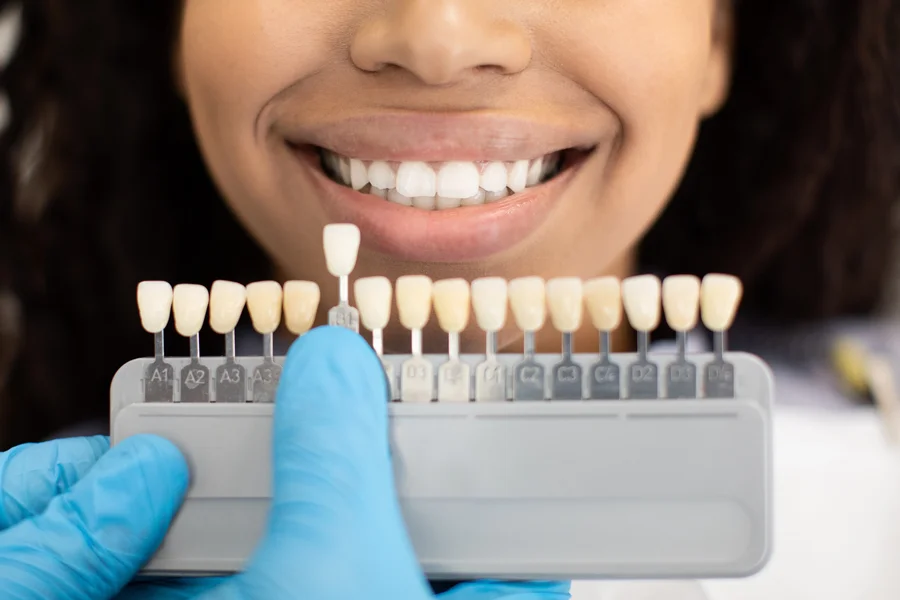
Ready to See What Veneers in Charlotte Can Do for You?
Whether the issue is a chip, a gap, or discoloration that will not budge, veneers may address all three in a single, coordinated treatment rather than three separate procedures. Ed Hull, DDS, can evaluate your smile and let you know honestly whether veneers are the right fit for what you are trying to achieve.
Contact us today to schedule a consultation.